04/22/26
Church proposes apology for historical links with slavery
The General Assembly is being invited to issue an apology on behalf of the Church of Scotland for its historical relationship with transatlantic chattel slavery.
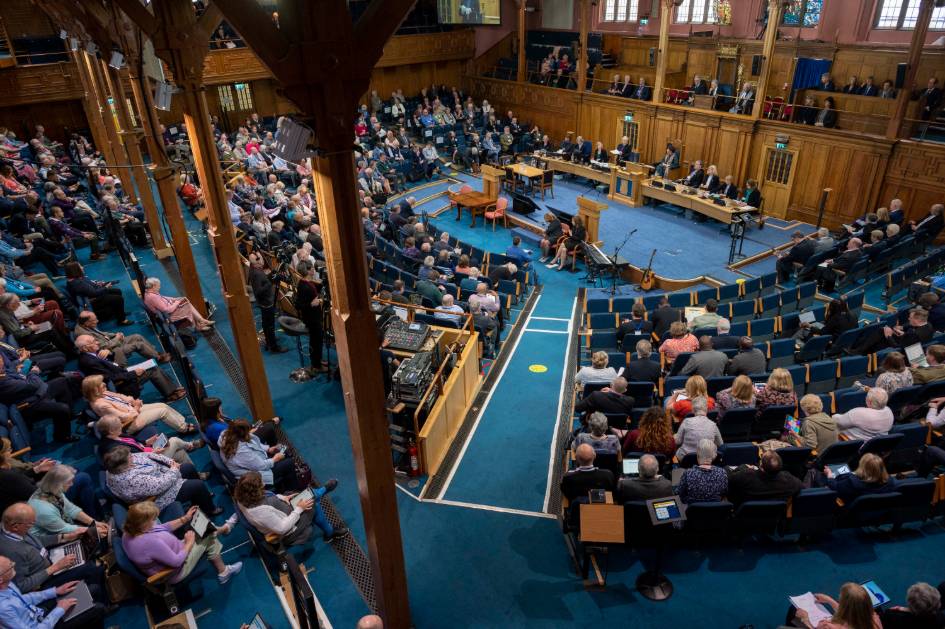
The report, ‘Church of Scotland and the Legacies of Slavery’, will be presented to the General Assembly next month.
The institutional apology, due to be proposed at the annual gathering in May, acknowledges how the Church benefitted from some of its members and their families direct and indirect participation in slavery.
It will say sorry for how, before the emancipation of enslaved people in the British Empire in the 1830s, some members and officers of the Church offered theological justifications for chattel slavery, a system that treated human beings as personal property.
The apology will recognise that the legacies of slavery continue to shape experiences of race and inequality today.
The report, ‘Church of Scotland and the Legacies of Slavery', will be considered by the General Assembly on Saturday 16 May.
Its drafting comes after the 2023 General Assembly agreed that an apology should be prepared for future consideration, after receiving a report detailing how the Kirk financially benefitted from the slave trade.
The 2026 report will invite the General Assembly to adopt the apology and investigate other actions that could demonstrate repentance, justice and reconciliation.
Should the apology and report be accepted by the Assembly, recommendations for next steps will be brought to the 2027 General Assembly.
Congregations and presbyteries are also being encouraged to continue engaging in education, reflection, and local exploration of historical and contemporary legacies of slavery.
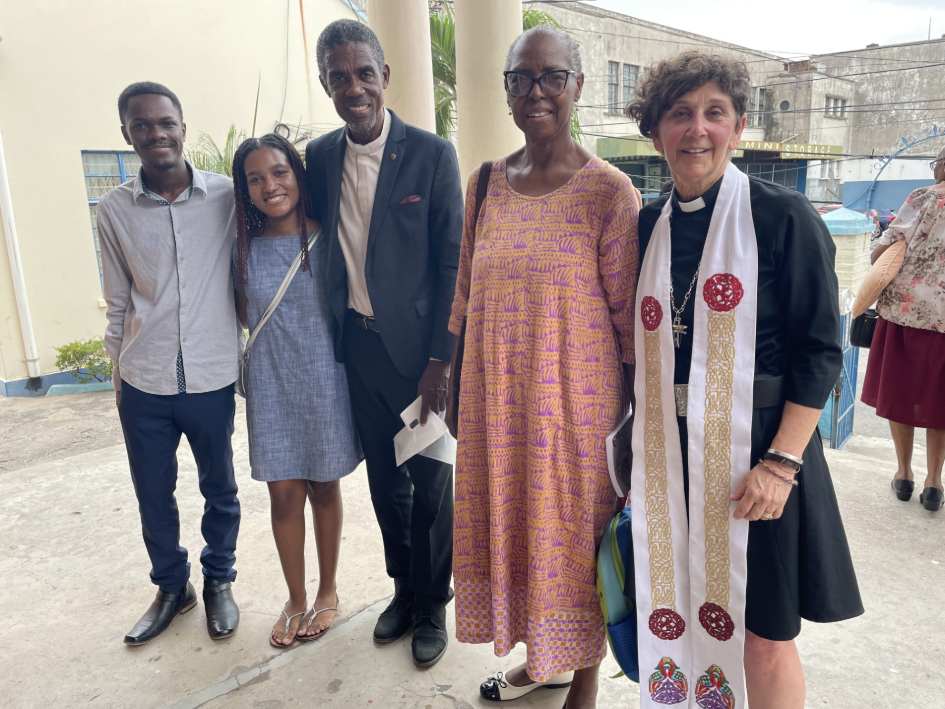
Former Moderator Very Rev Sally Foster-Fulton outside St Andrew's Kirk, Kingston, Jamaica, with partners from the Churches Reparation Action Forum and members of the congregation.
"We, the Church of Scotland, are sorry for the ways in which the Church of Scotland, collectively and individually, contributed to and benefitted from the enslavement of people of African descent," part of the apology says.
"We are grieved beyond telling by the extraordinary suffering we have inflicted – through our actions and our inaction – on our brothers and sisters.
"As bearers of God's image loved by God, they should have been loved by us. Not only did we fail to love them, we failed to treat them with basic human respect.
"We repent, committing ourselves to changing course and bearing fruit worthy of repentance."
The report said the theological reasoning for an apology is clear given the Church is formed around lives lived 2,000 years ago and a cross that continues to speak across time to sin, repentance, and hope.
"The Cross testifies that the passage of time does not diminish moral responsibility, nor does it render suffering irrelevant where its consequences endure," it says.
However, while the Church can acknowledge its actions, omissions and structural failures in the past, the report also says it cannot fully capture the lived experience, intergenerational loss, or ongoing trauma of those affected.
The full apology and report can be read here.
The report was developed following engagement with groups within the Church, including members of African heritage, presbyteries and ministers.
An ecumenical pilgrimage to Jamaica, and relationships with the United Church in Jamaica and the Cayman Islands and the Presbyterian Church in Trinidad and Tobago in 2024, further informed the apology.
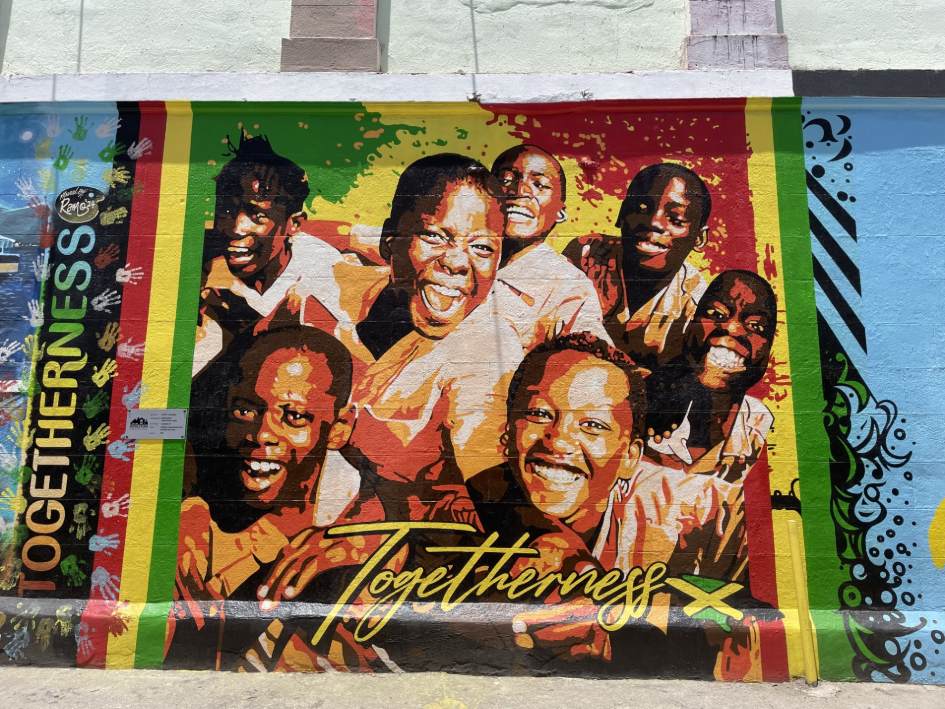
Street art in Kingston celebrating a spirit of unity.
The Very Rev Sally Foster-Fulton, convener of the group that drafted the report, said: "This apology represents a moment of honesty for the Church of Scotland. It is about telling the truth about our past, and about how slavery's legacy is still felt today. It recognises the harm done, listens to those most affected, and commits the Church to change, not just words.
"The apology is not an end point, but the beginning of a longer journey of justice, reconciliation and change. We bring it to the General Assembly for prayerful and responsible consideration."
The General Assembly is the Church of Scotland's supreme court and highest governing body of the national church.
At its annual meeting, commissioners – ministers, elders and deacons - examine the work and laws of the Church and make decisions that affect its future.
In 2026 it will take place 15-18 May at the Assembly Hall on the Mound, Edinburgh. The proceedings will be streamed online.